This Blog's content
Wenn ich die Welt heute betrachte,
Ich sehe keinen klaren Kampf zwischen Gut und Böse oder zwischen Ost und West. Ich sehe ein System, das müde und überholt ist. The Globalization, which was conceived and propagated in the last years, has reached its limits. Seit vielen Jahren ich say dass die Globalisierung nicht funktioniert. I sprach dabei vor allem über das System der openenen Grenzen, durch das Menschen verschiedener ethnischer Gruppen, mainly aus östlichen Länder, in die europäischen Länder strömten – Menschen aus verschiedenen Regionen, ethnischer Herkunft, Religionen, Glaubensrichtungen und Bräuchen sowie aus verschiedenlichen Klimazonen! Das war und ist meiner Meinung nach ein Schmelztigel, der beusungen von Preurteilen und Hass überkochen kann jederzeit. The evidence for this are the events in Germany and England. Die Globalisierung hat Märkte und Menschen meindein verbunden, aber sie hat auch Power konzenträt, dependenten geschäften und stillschweigend zenziden, wer die Regeln aufstellt und wer sich daran hält. Ein Großteil der heutigen globalen Spannungen entspringt diesem Ungleichgewicht.
Long time after the Cold War
drehte sich die Welt um ein einziges Machtzentrum. the United States and their Associations. Die Globalisierung followed dieser Logic. Handel, Finanzen, Institutionen und even politische Werte wurden als universell dargestellt, obwohl sie in Wirklichkeit westernhe Prioritien widerspiegelten. Dies brachte vielen Wachstum und Stabilität, hinterließ aber auch tiefe Scarben. Industries gingen verloren, Gesellschaften polariserten sich, und ganze Regionen hatten das Gefühl, die Globalisierung sei ihnen aufgezwangen worden, nicht mit ihnen.
That's why I see Donald Trump not as an Ausnahmeerscheinung, sondern als Signal. Seine Rhetorik war grob und oft spaltend, doch die dahinterstehende Botschaft found bei Millionen von Amerikaern Anklang. das Gefühl, die USA hatenn jahrzehntelang die Kosten der globalen Führungsrolle beklat, während andere das System ausgenutzt hatenn. "America First" was not only nationalism - it was a reaction to globalisation, which felt itself not fair for its main architects. To ignore this message would be a big mistake.
The war in Ukraine
hat einmal mehr offengelegt, wie zersplittert die sogenannte „Weltordnung“ istächst. Aus europäischer Sicht ist er einweitt ein Angriff auf die Souveränität und das Völkerrecht. Doch wenn ich über Europa hinausblicke, fällt mir etwas Unbehagenhaftes auf. Ein Großteil der Welt betrachtet den Konflikt nicht unter denselben moralischen Gesichtpunkten. Viele Länder erinnern sich an Jahrzehnte, in denen das Völkerrecht von mächtigen Staaten flexibele, sekteliv apätet oder slichtweg ignored wurde. Dies rechtfertigt zwar keine Aggression, erklärt aber den Mangel an globaler Einigkeit. Die Ukraine ist zu einer Bruchlinie zwischen westlichen Expectations und globaler Skepsis geworden.
Selbst Diskussionen, die beinahe surreal anmuten - wie das ernute Interesse an Grönland -, fügen sich in dieses Muster ein. Bei Grönland geht es nicht um Landkäufe, sondern um strategische Positionierung und futureien Influence in der Arctic. The obvious reason for this is that the Russian aggressor is close to the borders of some European countries. The fact that such ideas were again openly discussed shows me that we have entered a new era of Großmachtdenkens sind. Der Glaube, die Geschichte habe sich von territorialen Grenzen und roher Macht entfernt, erwies sich rückblickend als Illusion.
In this context
Ist BRICS weitaus more important, als viele im Westen wahrhaben wollen. It is important to keep in mind that BRICS was not founded by the United States or Europe. Es entstand aus Länder wie Brasilien, Indien, China und Southafrica, die oft als "aufstrebende" oder "östliche" Länder bezeichnet werden, aber Wirklichkeit die Mehrecht der Weltbevölkerung repräsentieren. BRICS is not united by ideology or common values, but rather by frustration - in particular over the western dominance in finance, in institutions and in the dollar-based system, which began long before Trump's second term.
So much for globalization!
I see BRICS
nicht als einfache Alternative oder moralisches Gegengewicht. The members have wider conflicting interests, different political systems and own power ambitions. Doch ihr Wachstum sendet eine klare Botschaft. Die unipolare Weltordnung verliert an Bedeutung, und deshalb handelt Trump so, wie er handelt. Immer mehr Länder wollen Alternativen. Sie wollen Einfluss gewinnen. Sie wollen mitbestimmen, wie das globale System funktioniert, nicht nur Instructions erhalten.
Was mir am meisten Sorgen bereitet, ist nicht der Niedergang der western Dominanz, sondern der Verlust von Vertrauen und Kooperation. Eine multipolare Welt kann ausgefung und stabil sein - aber auch chaotic und confrontationativ. Global problems such as climate change, migration, pandemics and technological umbrüche are not solved by blocks and rivalries. Wenn sich Macht ausbreitet, muss sich auch Verantwortung ausbreitet.
The actual challenge:
besteht für mich nicht darin, zwischen der alten westlichen und der neuen östlichen Ordnung zu wählen. Es geht darum, die Globalisierung selbst neu zu denken – damit sie weniger arrogant, weniger hierarchisch und ehrlicher im Umgang mit Macht wird. Wir verlassen ein Zeitalter der vermeintlichen Führung und treten in ein Zeitalter der Verhandlung ein. Ob dieser Übergang zu Kooperation oder Konflikt führt, wird die Zukunft weit mehr prägen als jedes einzelne Land, jede Allianz oder jeder einzelne Führer.
Wünsche allen eine schöne, stressfreie Woche!
Euer Blogging-Freund Ueli Köpf
FacebookMessengerWhatsAppLinkedInTumblrMessageXTelegram
Recent Posts
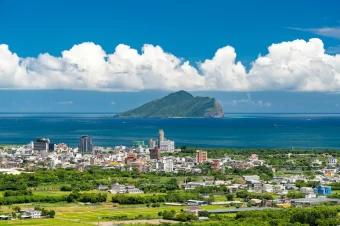


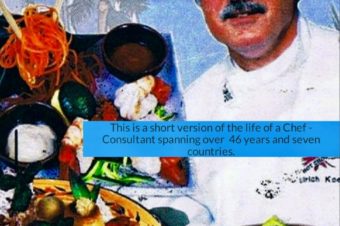


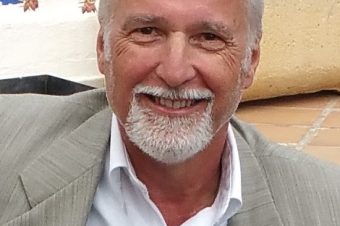
Chocolate does not always have to be a beverage, it can also be a... Read More:
The Culinary World, Chefs and their reach to the Stars!
Best Chef of the World! Every region of the world seems to have one. I... Read More:

Warning Notice to the Human Race
THE REALITY CHECK As we all have plenty of... Read More:
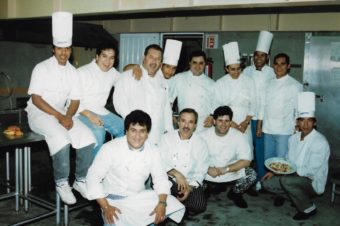
Ulrich's Guadalajara & Mexico City Experience
Chef Ulrich in Action in Guadalajara, Mexico My first visit to Mexico was with my... Read More:

Chef UlrichK on Selkirk CH.13 Cooking Show
My awkward Brandy bottle pop! The video is 16 min. long – Video is 37... Read More:

Ulrich K's Erinnerungen der Dominikanischen Republik
Dominikanische Republik In 1987 I came to Santo Domingo, um an der Neueröffnung des... Read More:

UlrichK in the Dominican Republic
In 1987 I arrived in Santo Domingo, to work on the re-opening of the new... Read More:
Ulrich's Miami Mob ordeal
As a Swiss chef, I took the opportunity to go and see the world, that... Read More:
What Your Favorite Drink Says About You!








Previous Blogs
 English
 How I see the World Today. Power, Globalization, and Shifting Order
January 21, 2026
How I see the World Today. Power, Globalization, and Shifting Order
January 21, 2026
 Climate friendly handling of our consumer goods!
January 2, 2026
Climate friendly handling of our consumer goods!
January 2, 2026
 Why Choose WordPress.com for Your Website?
December 21, 2025
Why Choose WordPress.com for Your Website?
December 21, 2025
 What Your Favorite Drink Says About You!
December 15, 2025
What Your Favorite Drink Says About You!
December 15, 2025
 Ulrich in Guadalajara, Mexico – Opening of Cafe Picasso
December 10, 2025
Ulrich in Guadalajara, Mexico – Opening of Cafe Picasso
December 10, 2025
 Taiwan...The disputed Island in the Pacific Ocean, 180 kilometers off the coast of mainland China
November 26, 2025
Taiwan...The disputed Island in the Pacific Ocean, 180 kilometers off the coast of mainland China
November 26, 2025

Leave a Reply