Showing posts with label blogs. Show all posts

Thursday, May 14, 2020

Weird Restaurant Scene Booming in Kaifeng, China

Weird Restaurant Scene Booming in Kaifeng, China


Restaurant Scene Booming in Kaifeng

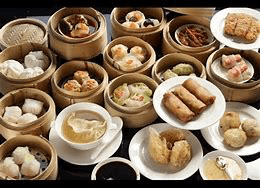
Kaifeng, China, 1147, offering sumptuous banquets. from the varied and the delicious cuisines of China’s different regions. Hundreds of small inns, teahouses, boodle shops, and dumpling houses also thrive night and day in this bustling cosmopolitan center. Bureaucrat and roving critic Meng Yuanlao reports that service standards are high in the best restaurants, with even the slightest slip in etiquette reported back to the restauranteur, who is obligated to dock the waiter’s salary- or even dismiss him for more severe breaches of etiquette. in his journals. the critic comments on all aspects of the Kaifeng restaurant scene.

For southern Chinese specialties, Meng Yuanlao recommends a walk down  Small Sweetwater Alley, while the famed night market is the place for a plate of tripe with blood pasta or chicken tongue soup.

An upcoming new trend is also monkey brains, some restaurants are offering this specialty for special guests.

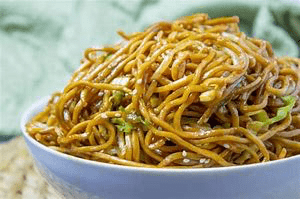
Merchants and visiting officials have driven the gastronomy boom in Kaifeng in their eagerness to sample dishes perfected in earlier dynasties and in other regions. The Song Dynasty has its own sought-after delicacies, including fried purple crisp pork, sea cucumber shaped like lotus flowers, peony and swallow vegetables, hand-stretched noodles, and goose pears. Vegetables, herbs, and spices such as eggplant and spinach, nutmeg and saffron brought in by traders on the Silk Road bring new flavors and textures to many of the dishes.
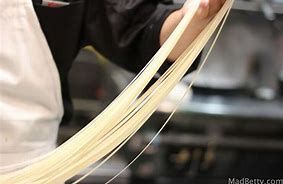
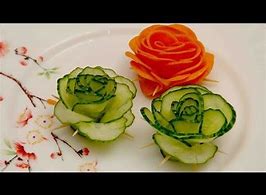
Great attention is paid to cooking methods and the beautiful presentation of each dish.

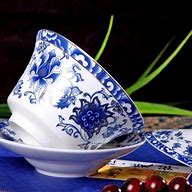
As much as the restaurants flourish in Kaifeng’s bustling streets. Government officials have been known to sit for hours discussing the different brands of tea; the idle rich and those of an artistic temperament will pay a fortune for a perfectly glazed blue and white teacup.
.


Thursday, April 16, 2020

Damp Caves Giving Birth to a New Style of Cheese – Did You know?


Damp Caves Giving Birth to a New Style of Cheese

Roquefort-sur-Soulzon, France, 1411

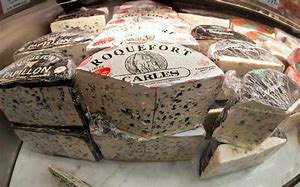
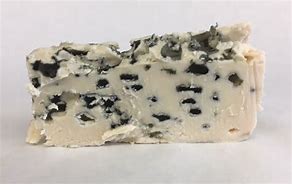
The residents of the town of Roquefort-sur-Soulzon are sporting cheesy grins today. King Charles VI has given them exclusive rights to produce their famous smelly cheese. In.  an effort to stamp out inferior imitations of the cheese, genuine Roquefort now can only be produced at Roquefort-dur-Soulzon, being aged in the nearby caves that produce the particular mold that is responsible for this unique cheese.

A similar style of cheese has been in existence since Roman times. Mention of it can even be found in the writings of the great Roman historian Pliny. The cheese was a particular favorite of the emperor Charlemagne, and a captivating legend surrounds its discovery.

The story says that a local shepherd once thought he saw a beautiful woman in the distance and left his sheep to pursue her. He also left his lunch of rye bread and cheese in one of the dark caves of the Grotte du Combalou. When he returned some weeks later, sadly without the young woman, the air currents in the cave, combined with the dampness of the rocks, had caused an odd blue mold to grow in streaks along the surface of the ewe’s milk cheese. The shepherd ran down to the village shouting: “It’s a miracle, it’s a miracle.” The people of the town gathered around him, tasted his cheese, and like it.

Ever since then the limestone caves of Mount Combalou near Roquefort-sur-Soulzon have been used for the production of this famous blue cheese. The cheesemakers still use milk from ewes that graze on the Aveyron Plateau. The cheese is white, crumbly, and slightly moist, with the distinctive veins of blue mold that produce a sharp tang. It has no rind, and the exterior of the cheese is edible and slightly salty.

Next time you enjoy a piece of that cheese, remember where it came from¨Bon Appetite!


“FRENCH COOKING’S ALL VERY WELL, BUT THEY CAN’T DO A DECENT ENGLISH BREAKFAST.”

Prince Philip, England


Thursday, April 9, 2020

The Donut, American or Dutch?

Whoever invented the Donat is unclear. The American Captain Hanson Crockett Gregory (1832-1921) claimed to be the author of this famous sweet fabrication. The Dutch, too, because there is evidence that Dutch emigrants introduced a sweet, oil-baked dough donut in the USA in the 19th century, the “Oliekoek”. Even when it comes to the name of the pastry, there is no consensus. Correct was actually “Donut” (doughnut), but the spelling “Donut” is more common today. there are several to choose from these days, filled with chocolate, vanilla, creme brulee, praline, and marmalade.

Sweet Dreams!!


!