Sunday, January 26, 2025

Walking and Grilling in Heidi Land!

Walking and Grilling in Heidi Land!

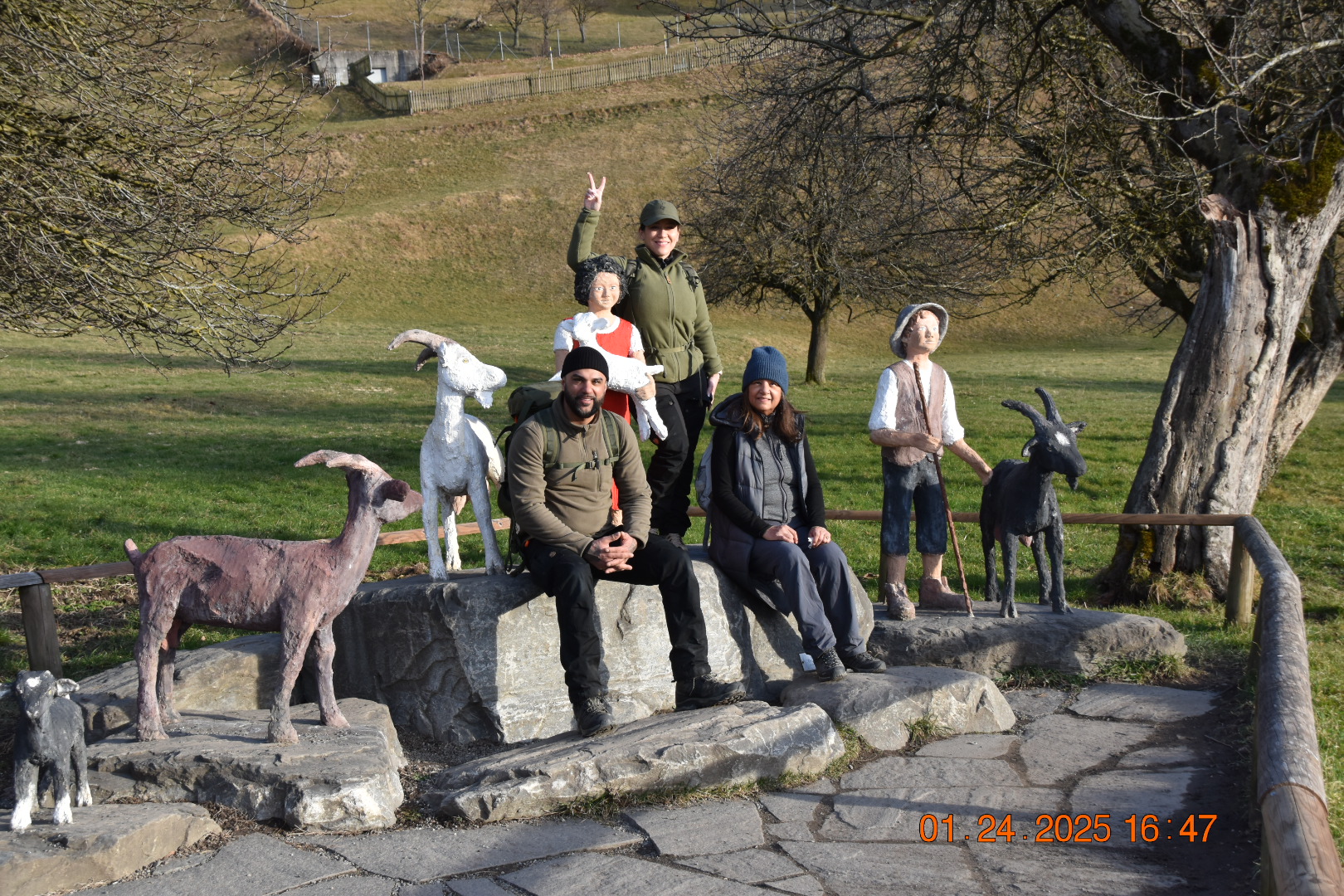
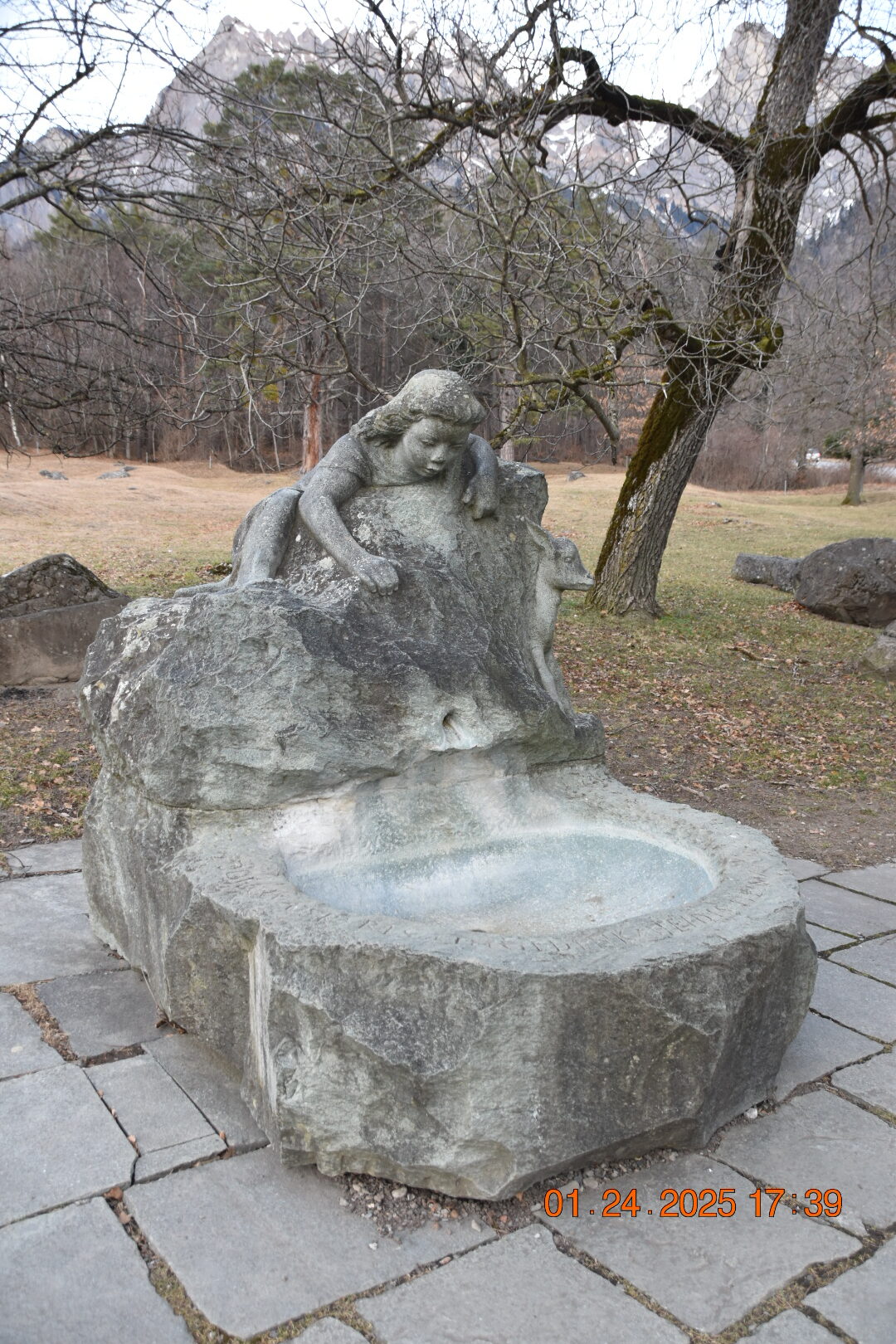
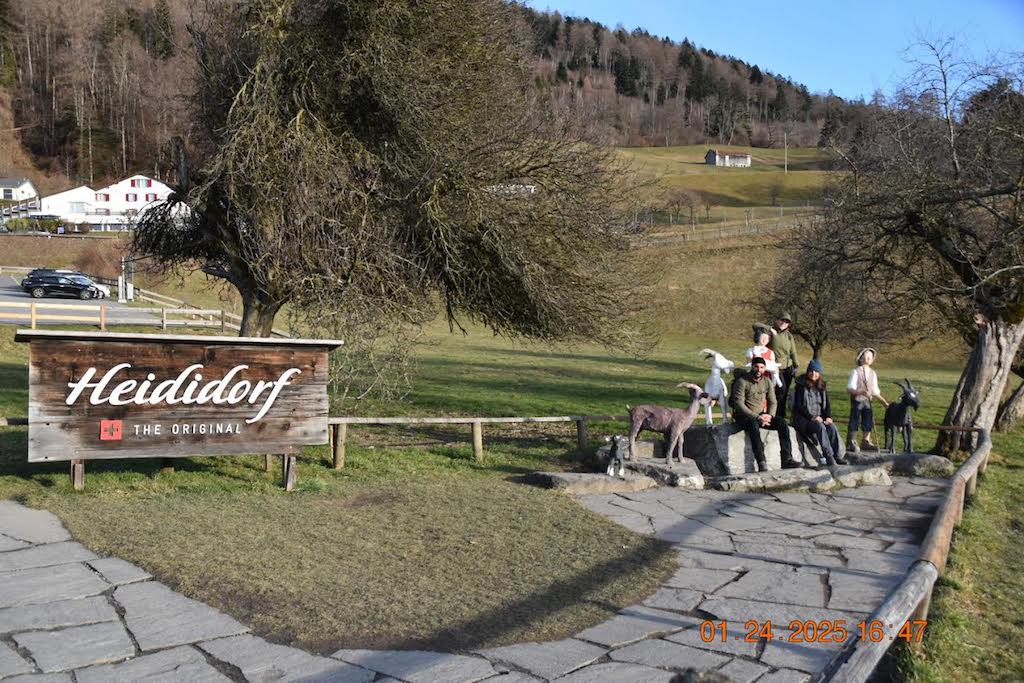
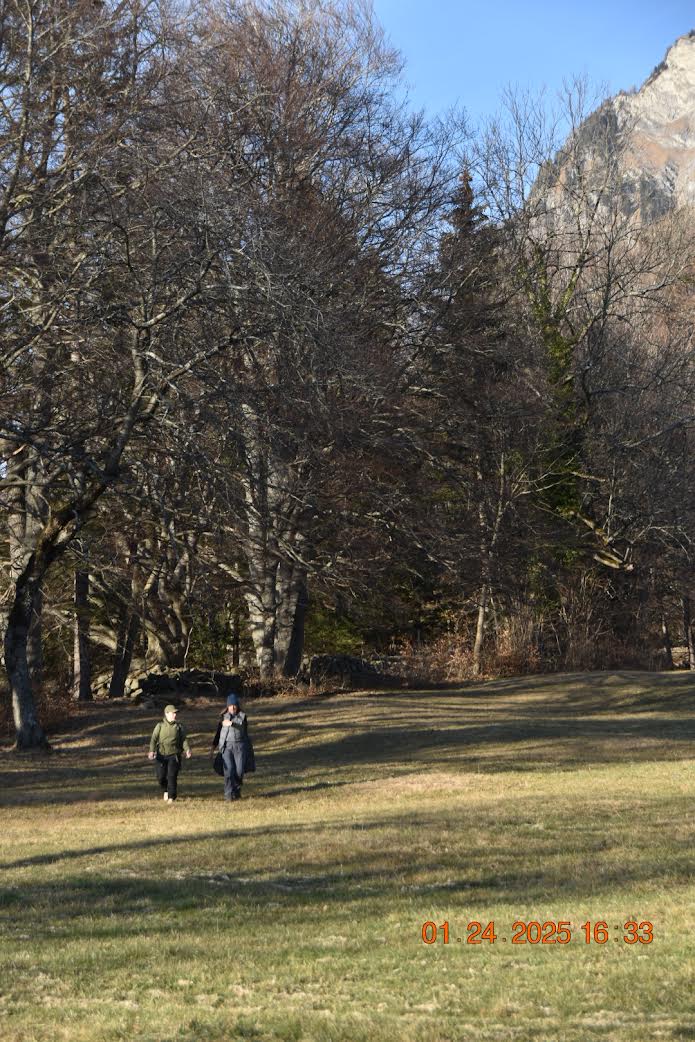
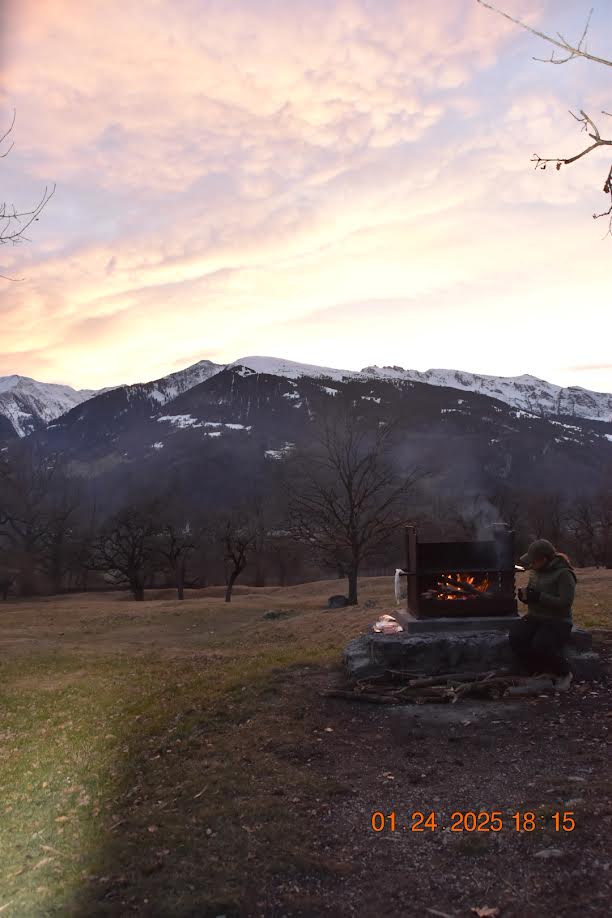
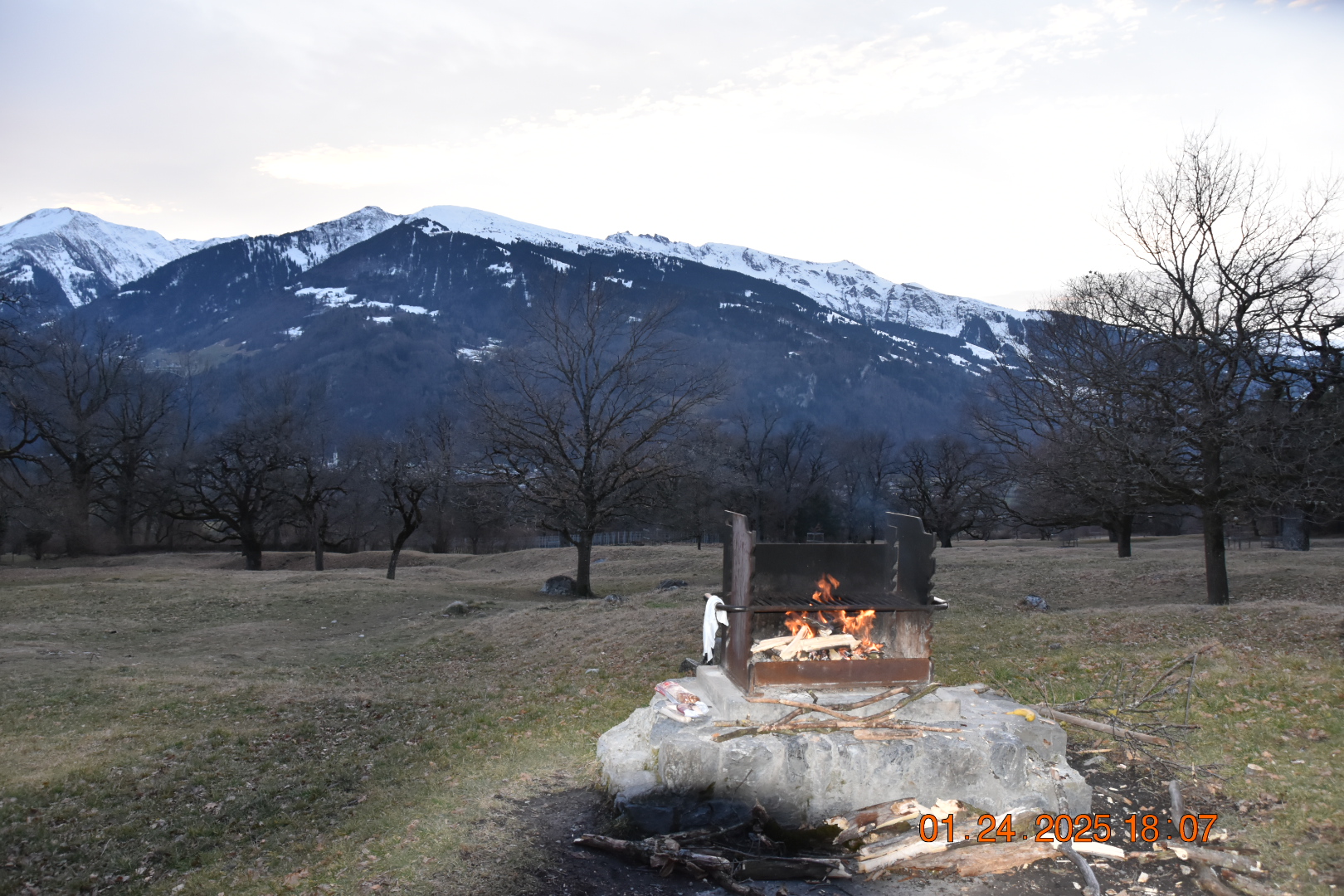
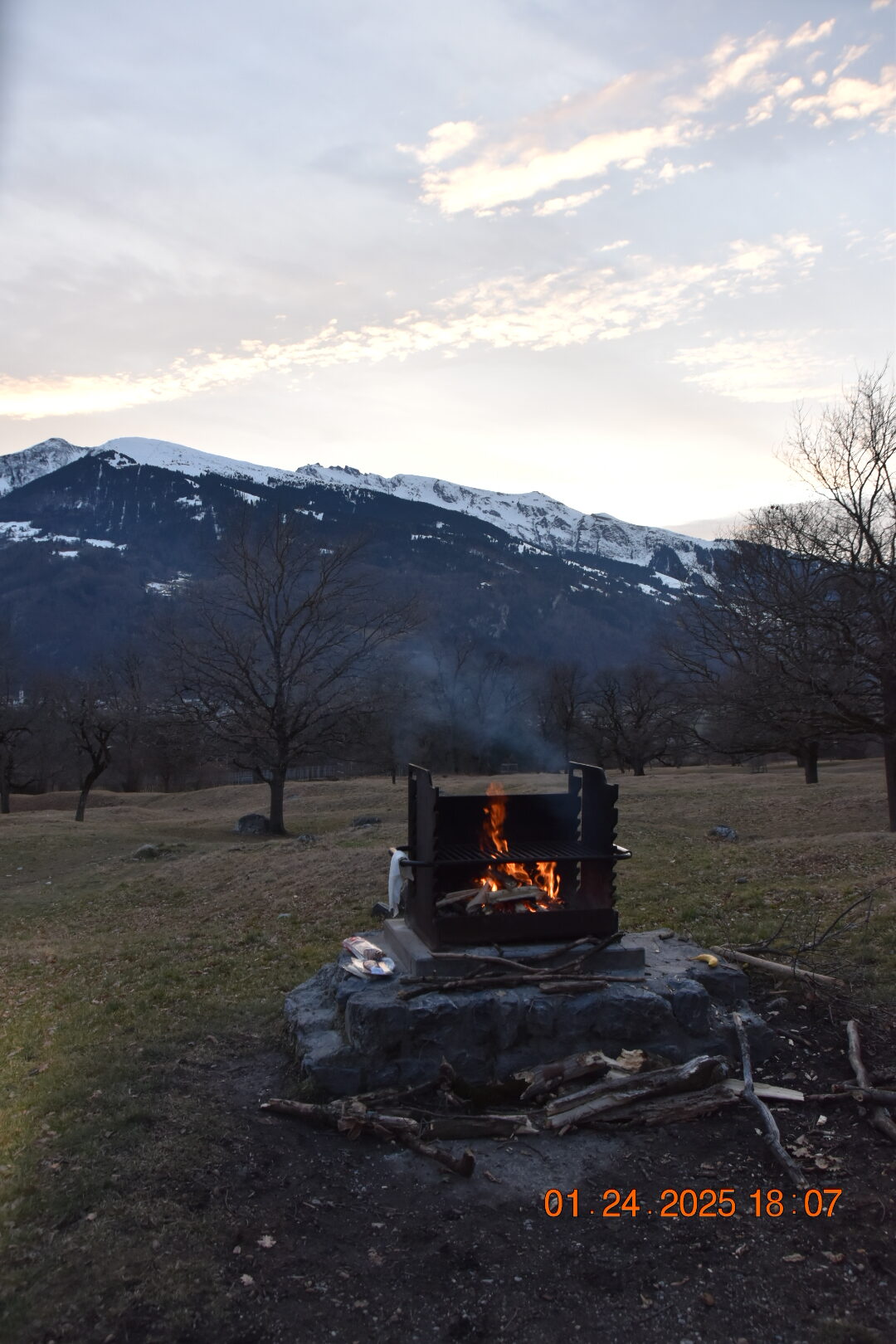
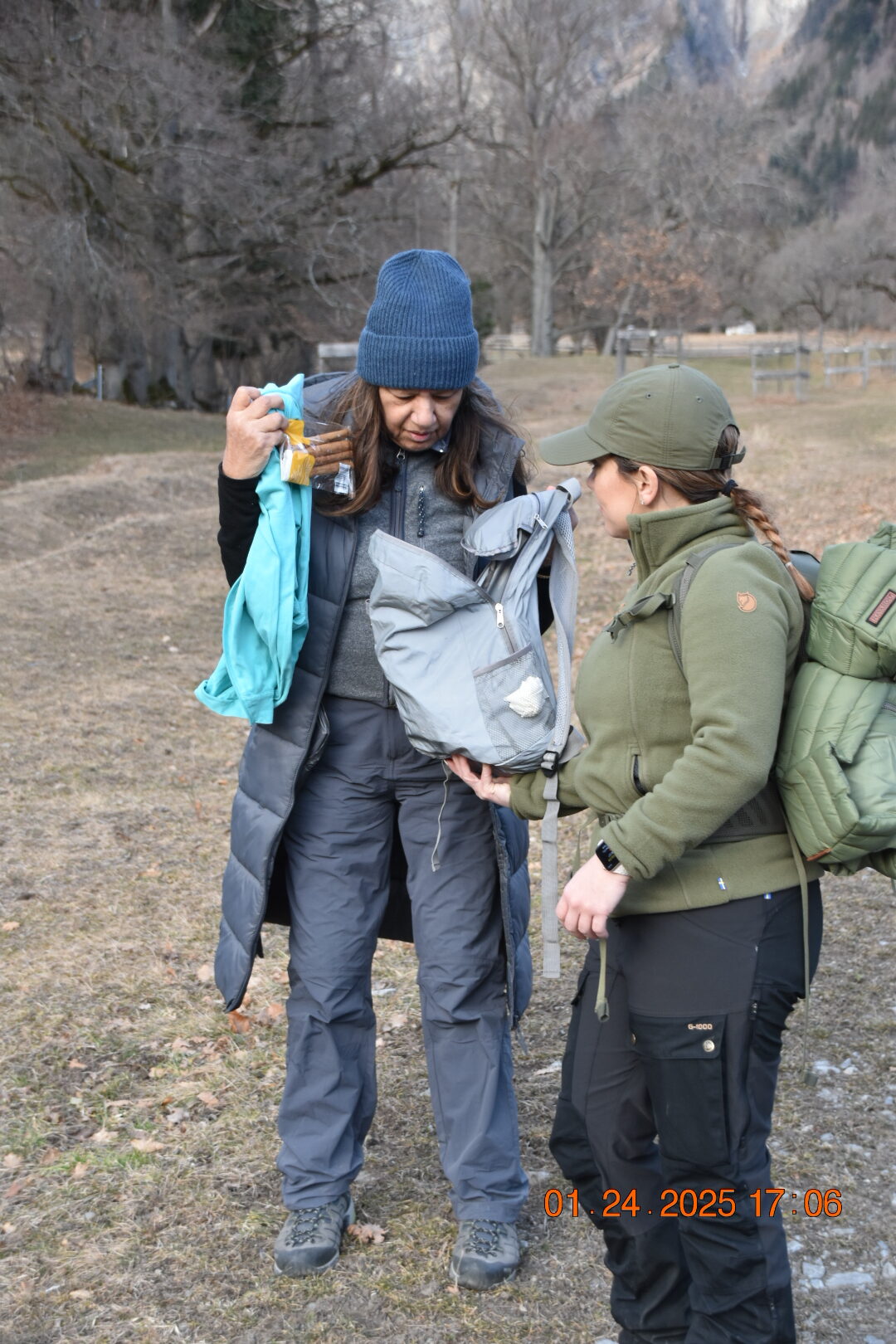
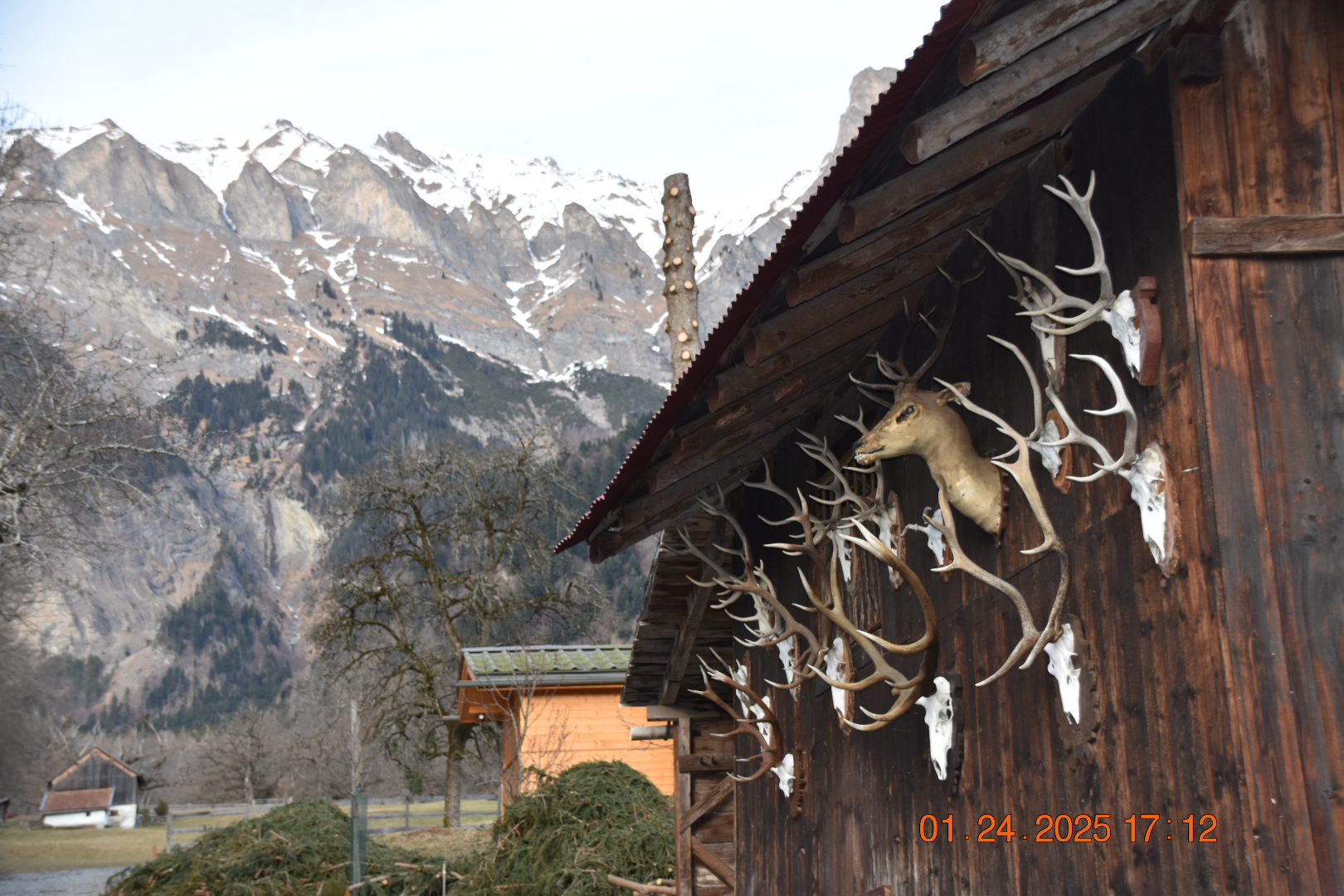
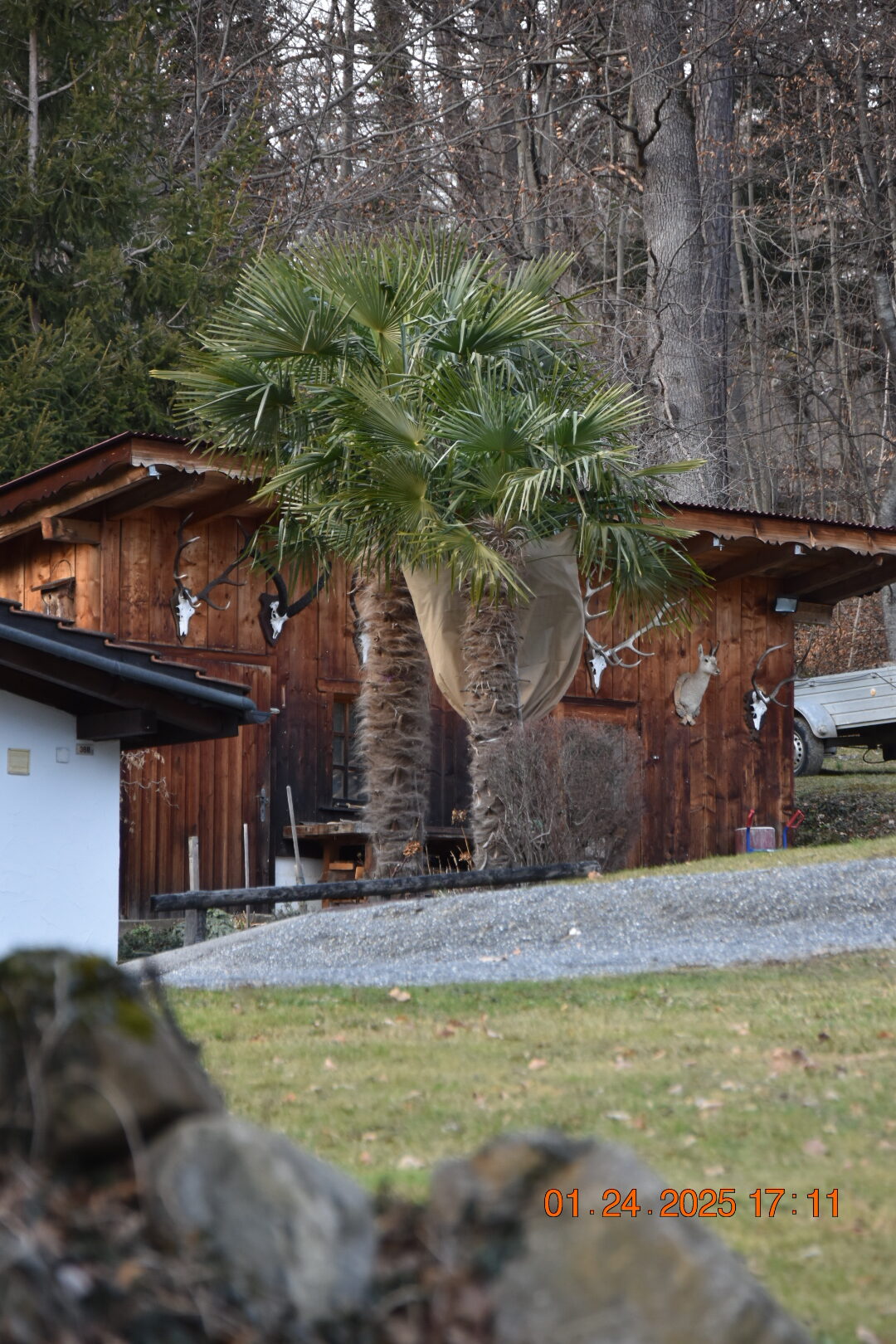
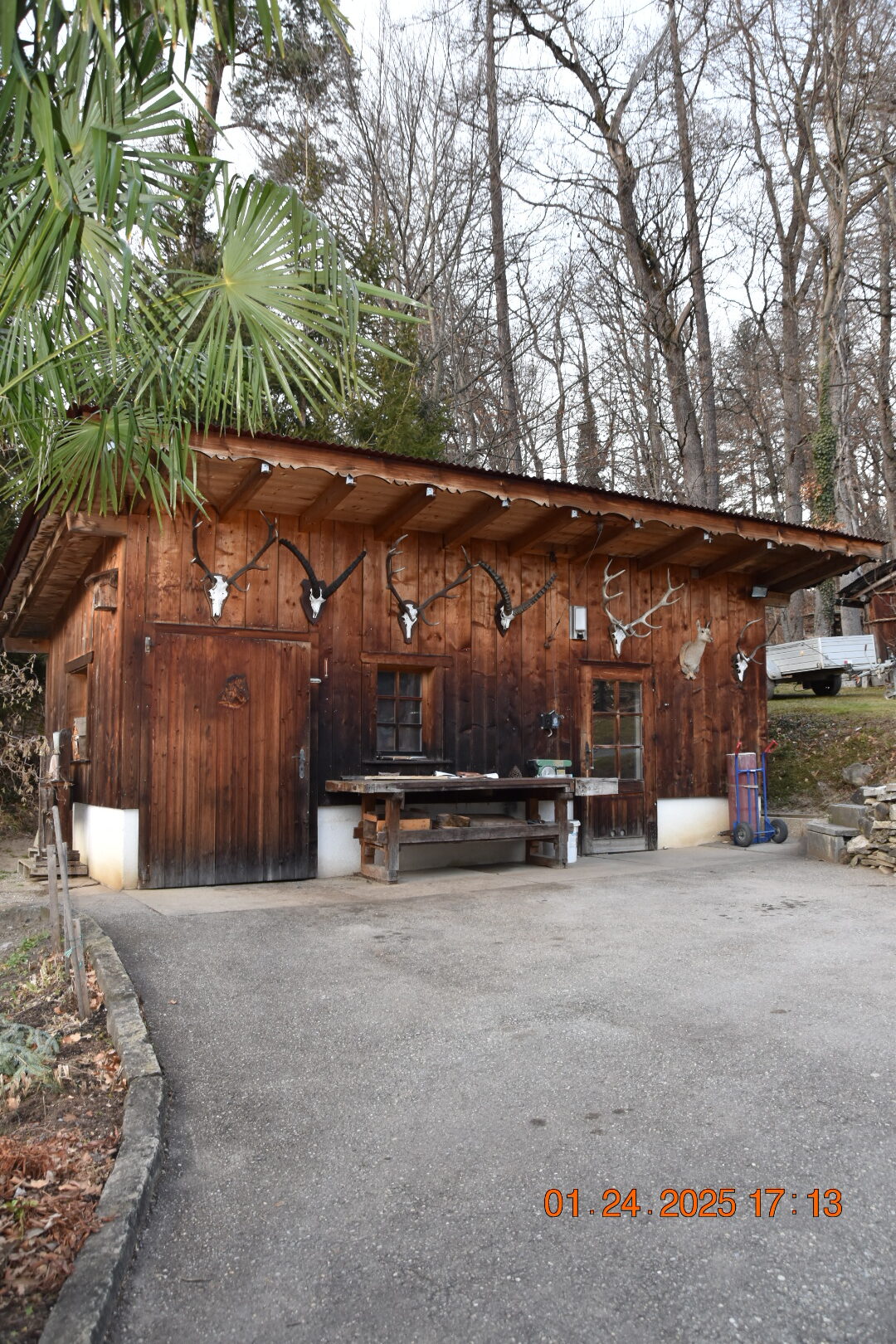
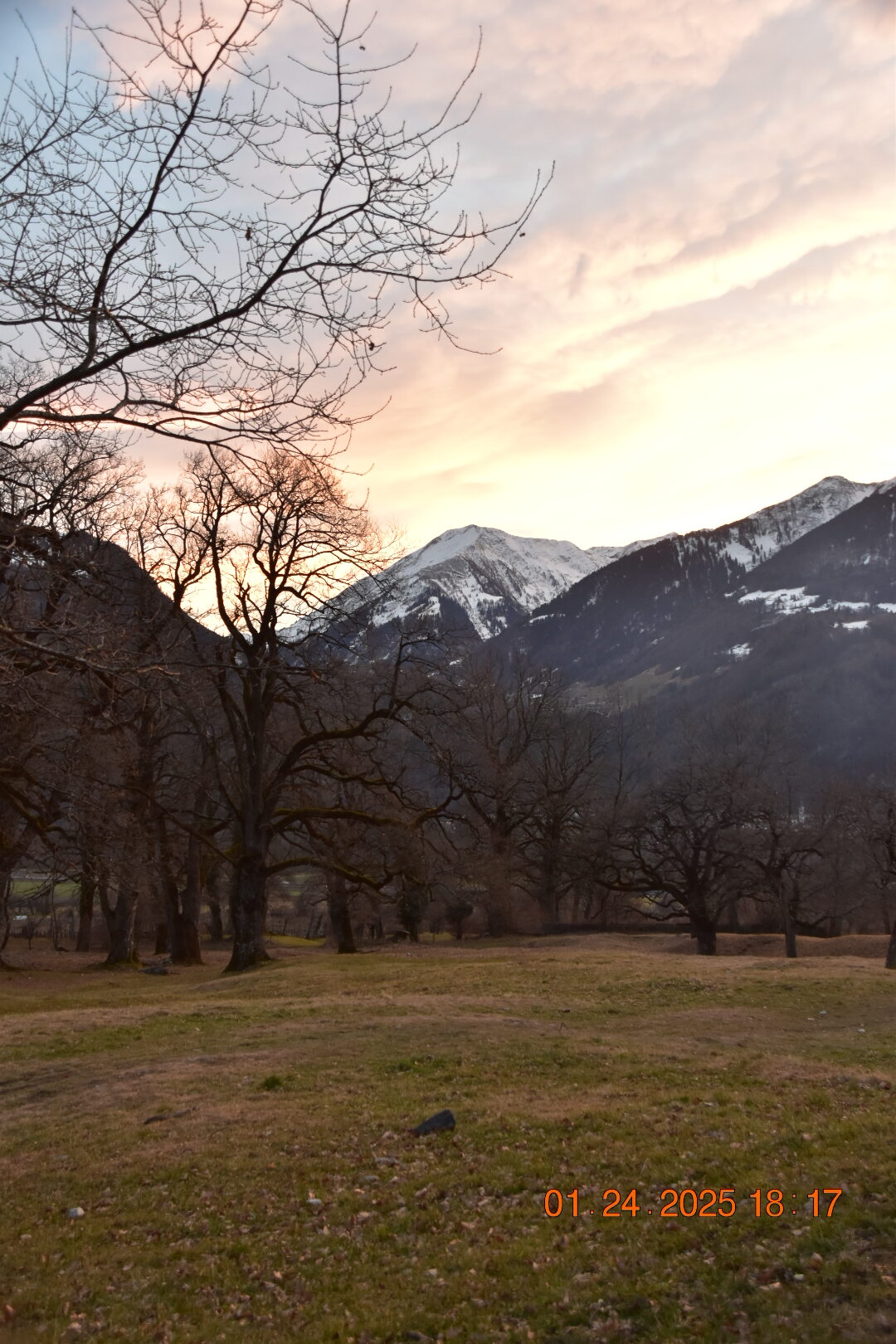
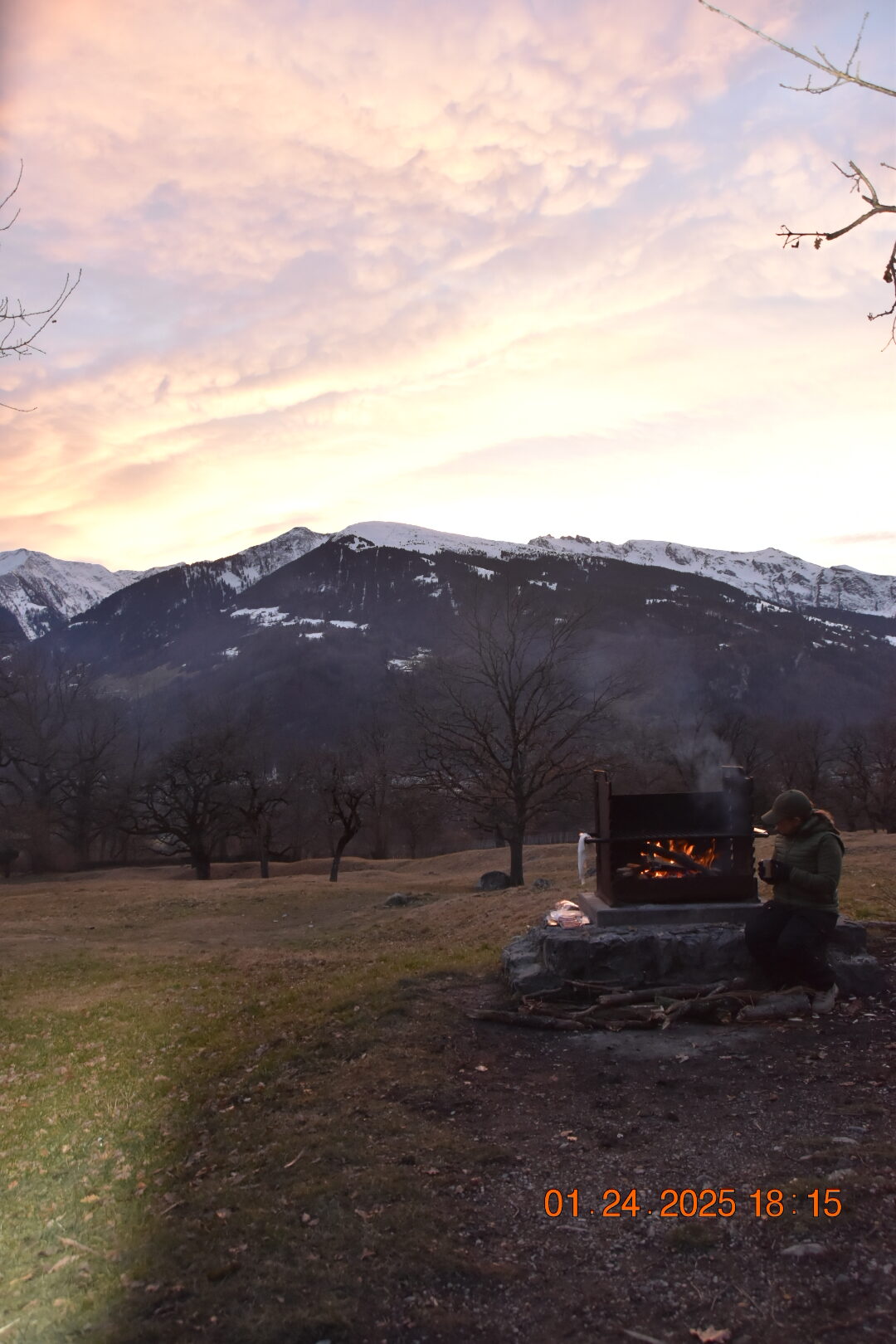
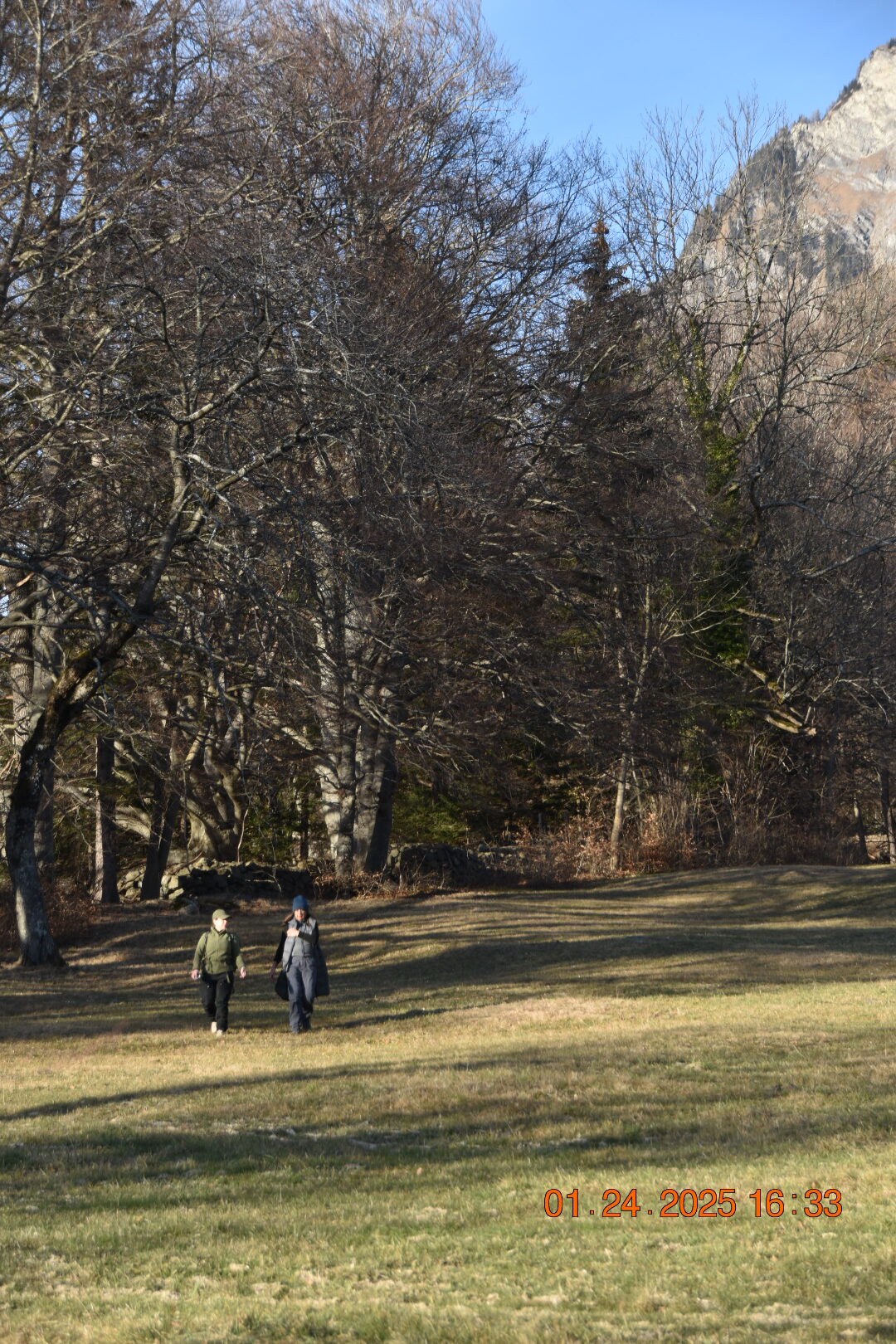
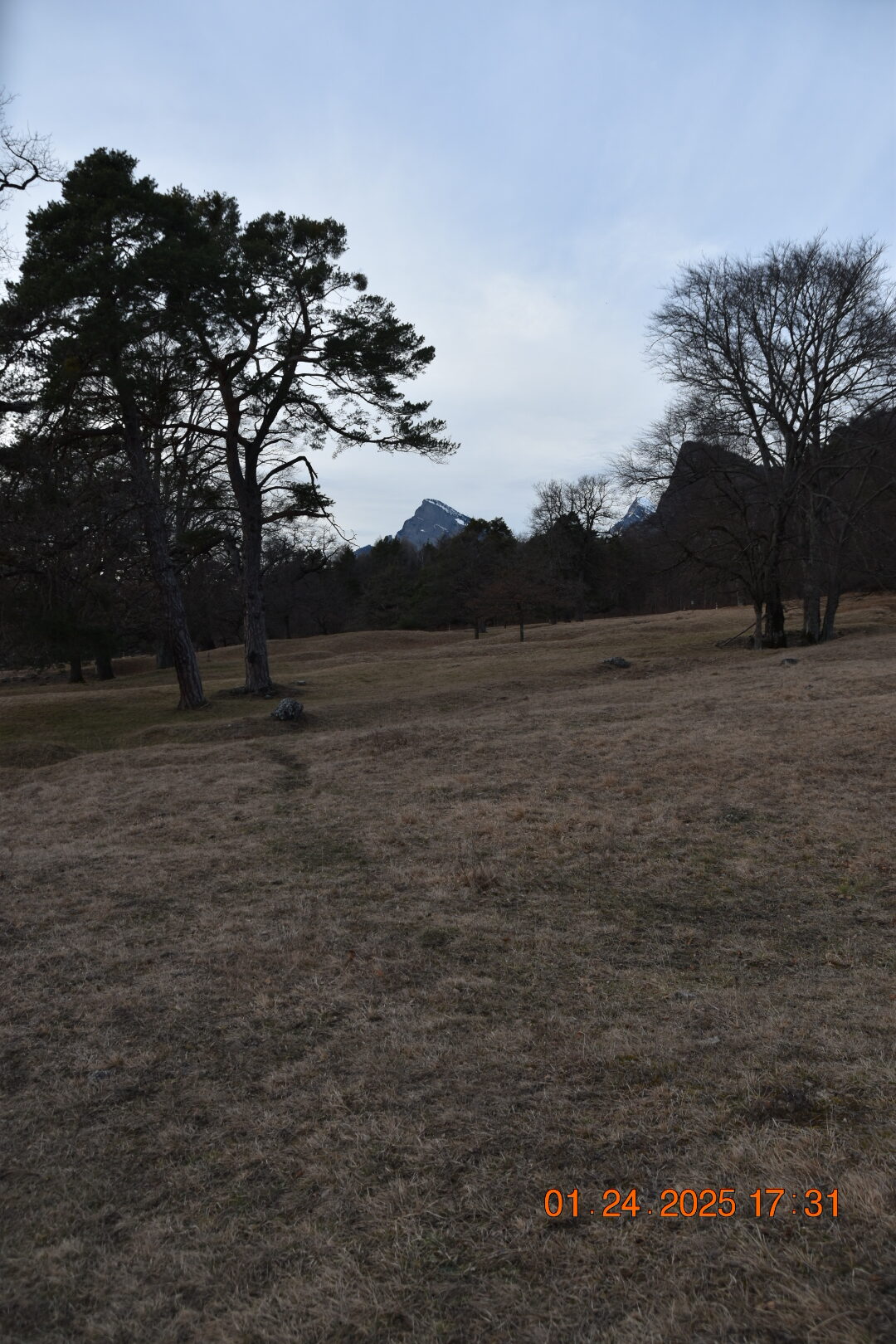
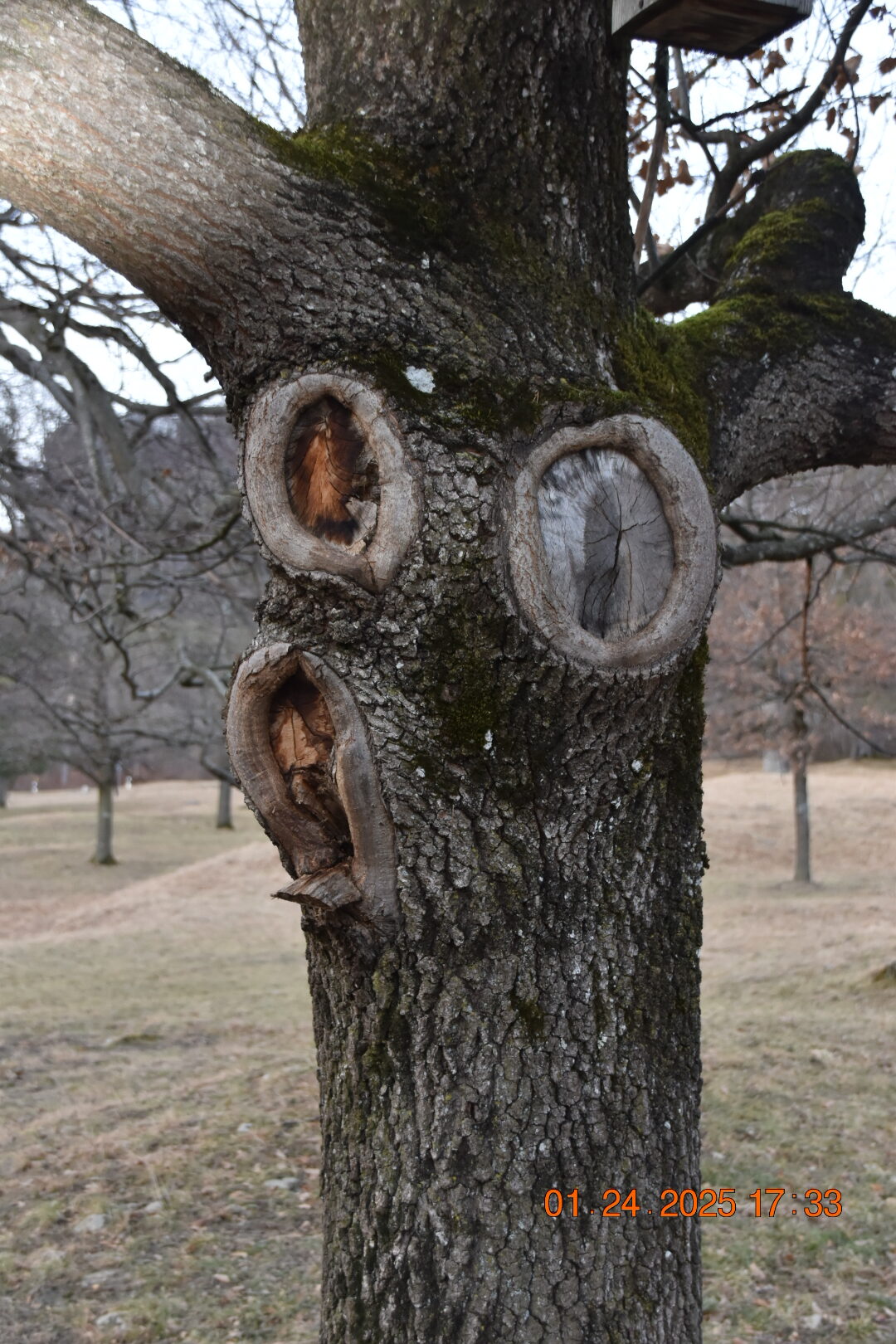
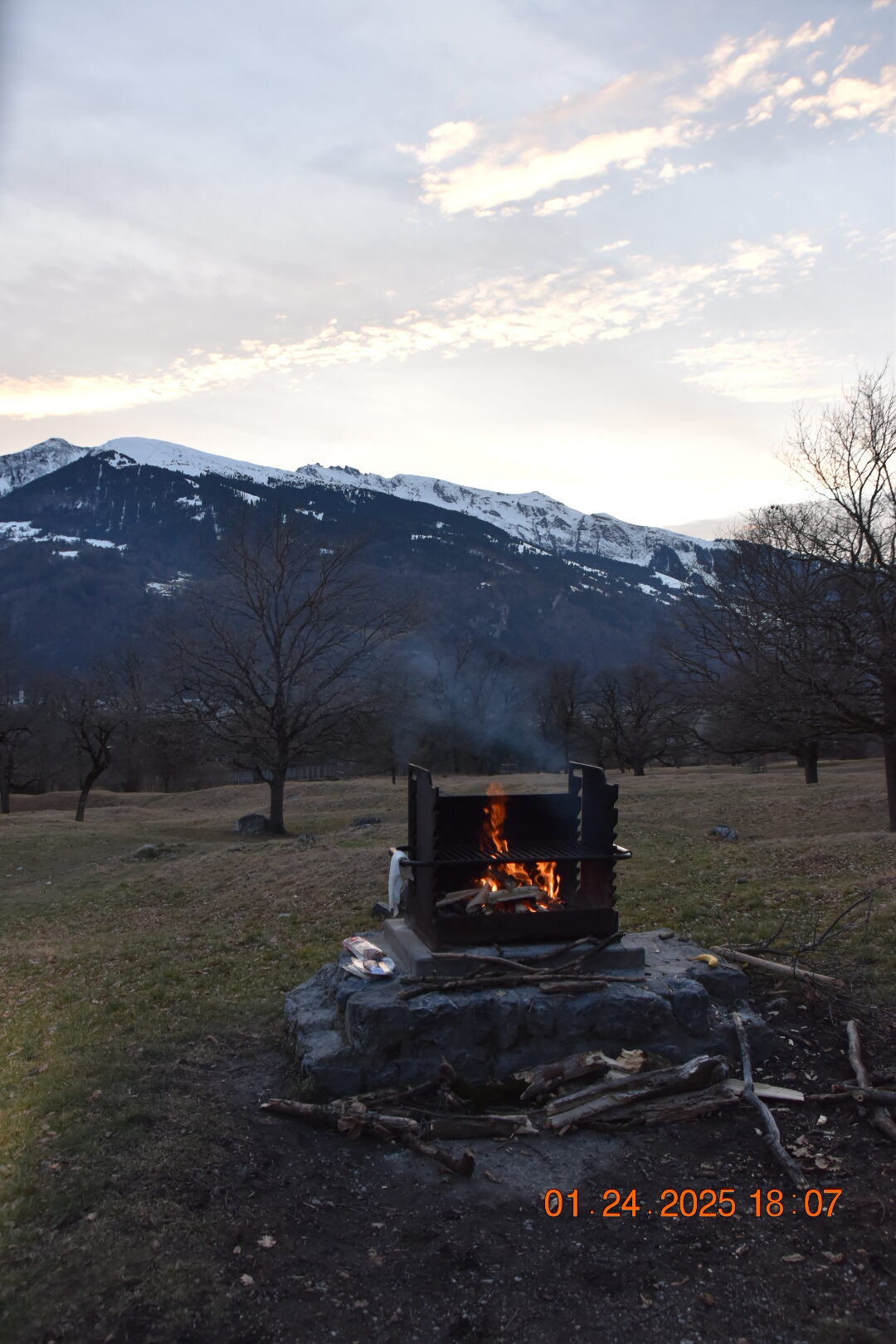
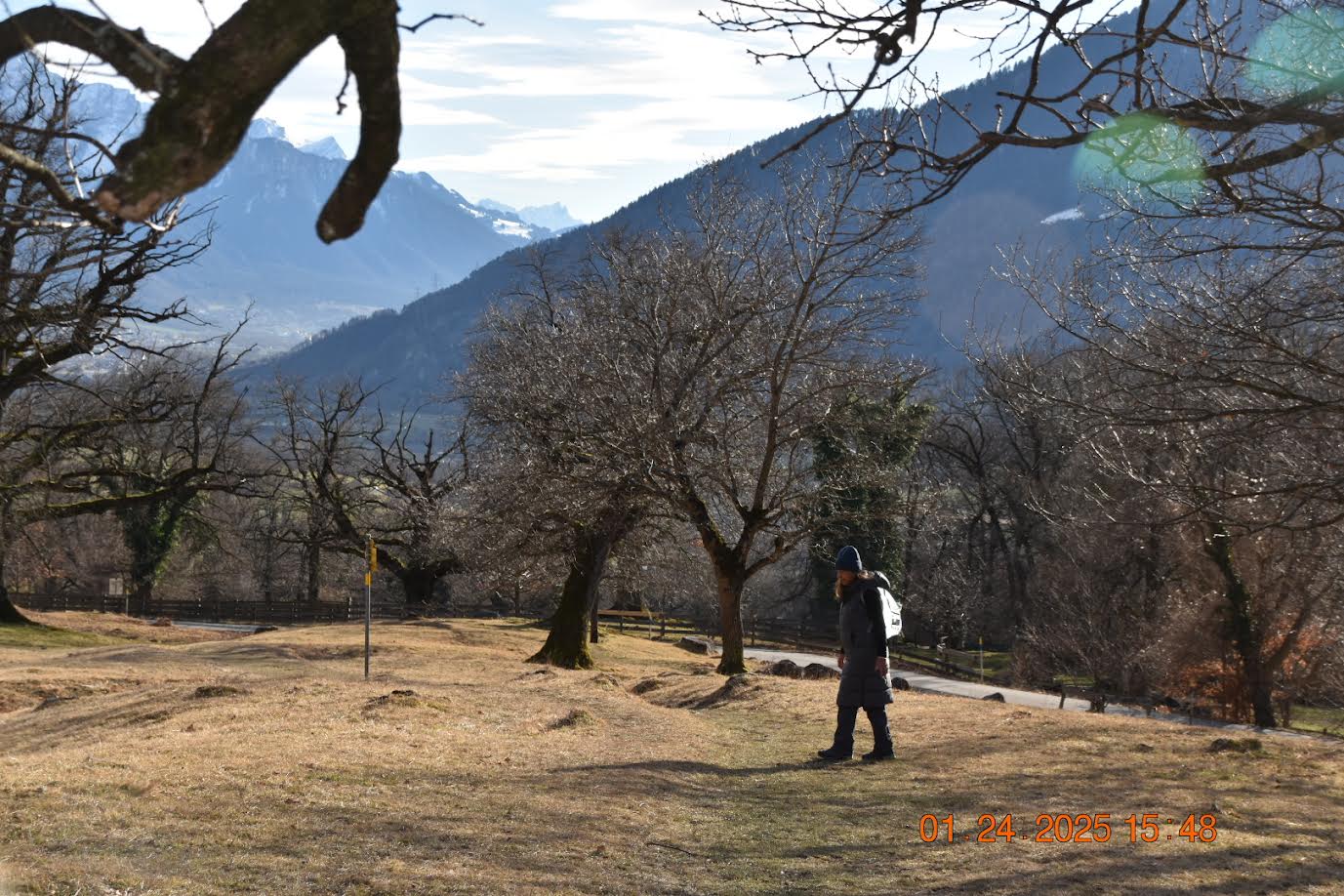
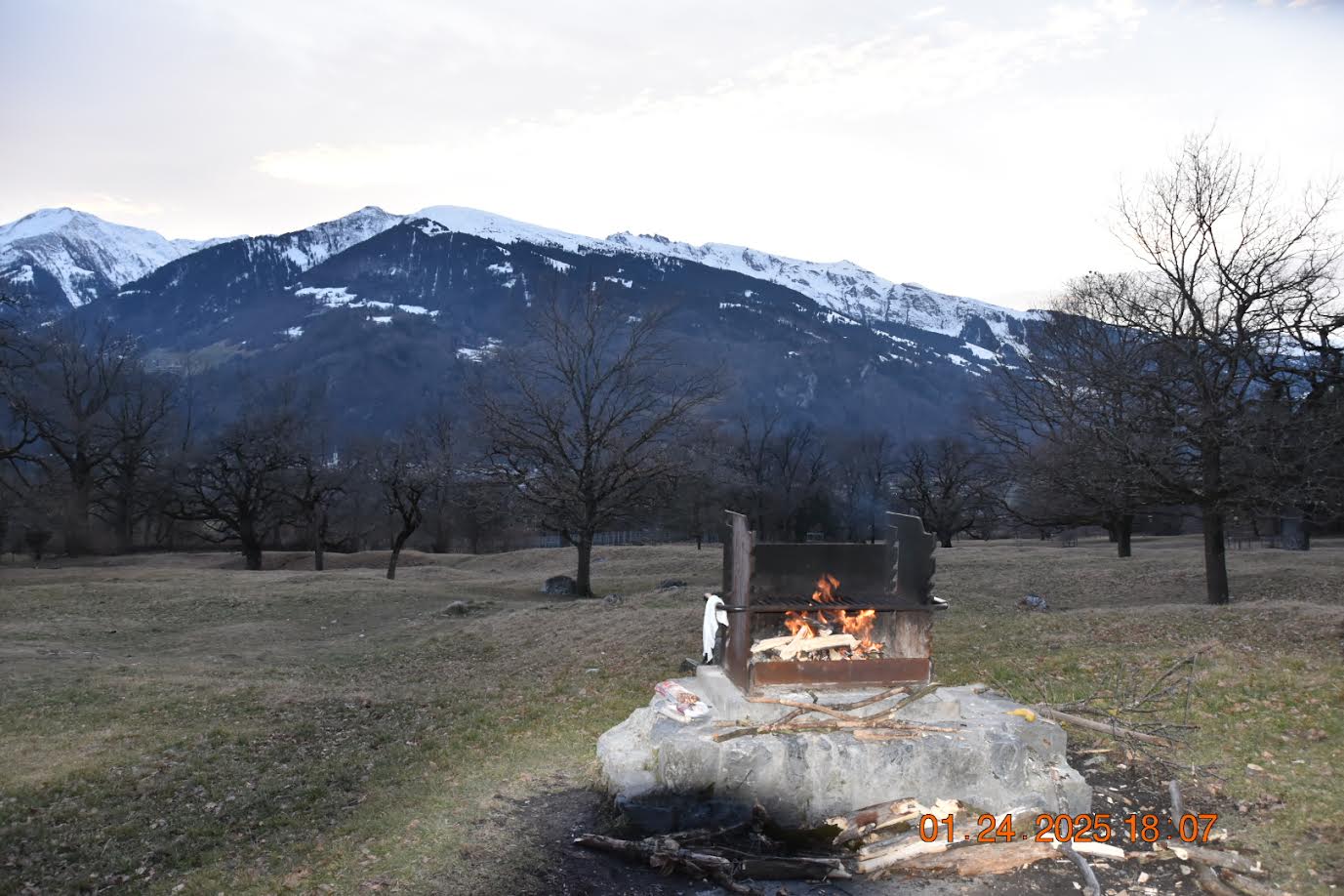
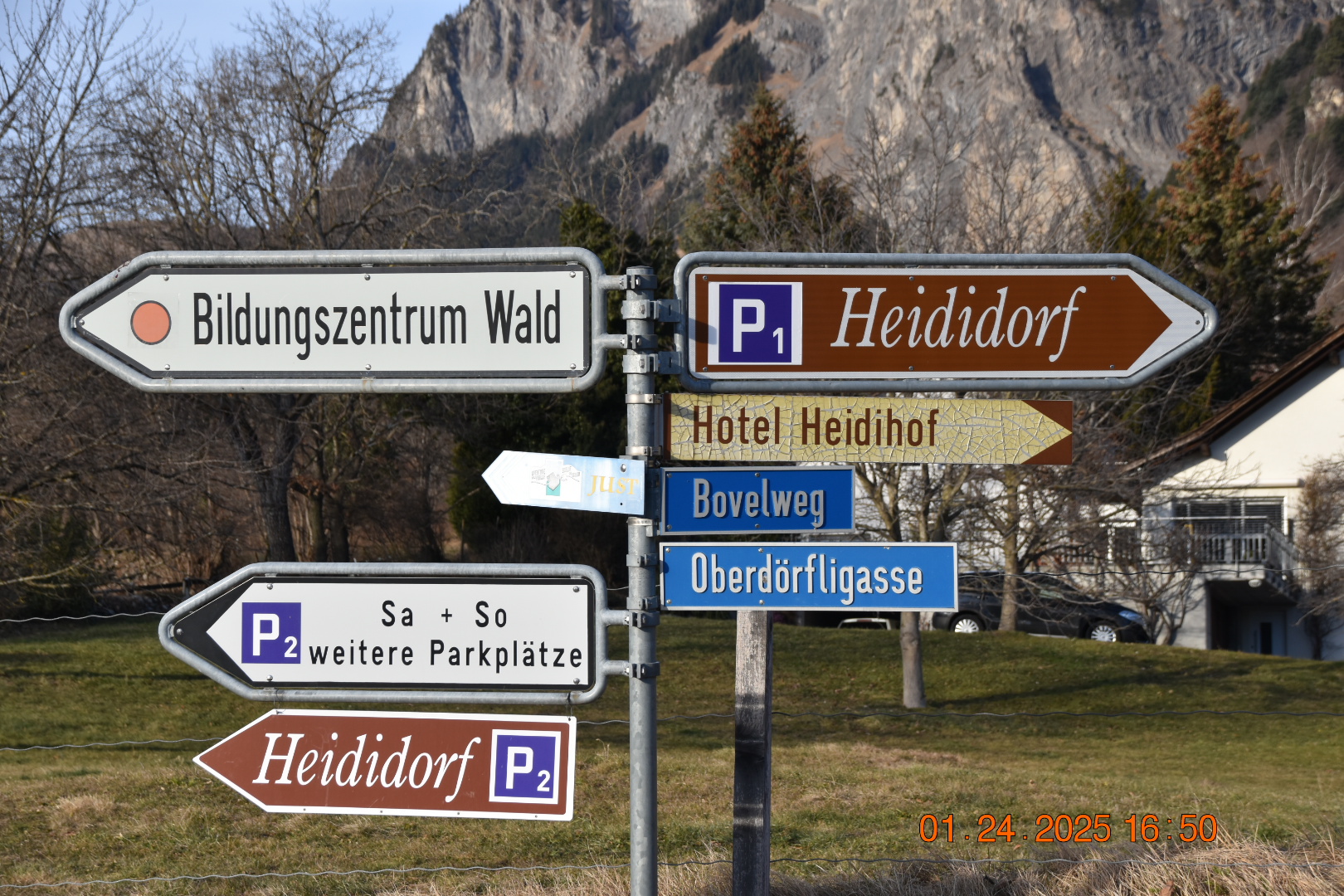
Now that we know all about Wilhelm Tell, the Swiss hero, born and raised in the Village close by where we live now; we decided to go and see where Heidi used to live. It is a beautiful region of Switzerland, with large meadows, Swiss mountains in the background, and lots of oak trees and wildlife. After a couple of hours, we reached a perfect spot for grilling, and out came the Veal Bratwurst and Lamb Loins for grilling!

Heidiland, often referred to as Switzerland’s “storybook paradise,” is a region in eastern Switzerland that brings to life the world of Johanna Spyri’s beloved novel Heidi. It’s a blend of breathtaking alpine scenery, traditional Swiss charm, and a nostalgic trip into a literary classic.
Where is Heidiland?

Heidiland spans parts of the canton of St. Gallen and the canton of Graubünden, with highlights like Maienfeld, a quaint village often referred to as the heart of Heidiland. It’s located along the eastern shore of Lake Walen (Walensee) and stretches into the picturesque Bündner Herrschaft wine region.

Heidi Village in Maienfeld

Maienfeld is the crown jewel of Heidiland. Here, you’ll find the Heididorf (Heidi Village), which is essentially a living museum recreating Heidi’s world. Visitors can:

  • Tour Heidi’s House: A charming 19th-century farmhouse, set up as if Heidi and her grandfather might walk in at any moment.
  • Meet the Goats: You can interact with goats just like Heidi did. Perfect for kids or anyone seeking a wholesome countryside experience.
  • Explore the Heidi Trail: A gentle hike that takes you through the idyllic landscape described in Spyri’s book. Think rolling meadows, rustic wooden huts, and postcard-perfect alpine views.
Scenic Beauty and Activities

Heidiland isn’t just about literary nostalgia; it’s a haven for outdoor enthusiasts.

Hostgator Web Hosting
  • Lake Walensee: A stunning lake with turquoise waters perfect for swimming, paddleboarding, or just enjoying a boat ride surrounded by dramatic mountain peaks.
  • Thermal Baths in Bad Ragaz: For those looking for relaxation, the nearby town of Bad Ragaz offers luxurious thermal spas that perfectly complement a day in the mountains.
  • Skiing and Hiking: In winter, Heidiland turns into a snowy wonderland. In summer, it’s a hiker’s paradise with trails for all skill levels.
Heidi Wines and Local Cuisine

This area is also part of the Bündner Herrschaft wine region, famous for its Pinot Noir wines. You can visit wineries for tastings and even take vineyard tours. And for foodies, don’t miss traditional Swiss dishes like Rösti, Älplermagronen (Swiss-style mac and cheese), or locally made cheese and bread.

Fun Fact:

Johanna Spyri wrote Heidi in the 1880s, and though she was inspired by the Swiss Alps, she never specified an exact location in the book. The association with Maienfeld came later when the village embraced its literary connection.

Whether you’re a fan of the book, a lover of nature, or simply someone who wants to soak up Switzerland’s alpine charm, Heidiland offers something magical. It’s where fiction meets reality, all set against the stunning backdrop of the Swiss Alps.

Your Blogging Friend Ulrich Koepf

Wednesday, January 22, 2025

The World Economic Forum (WEF) in Davos

The World Economic Forum (WEF) in Davos

This Blog's content

The WEF in Davos is an annual meeting where global leaders, business executives, academics, and influencers gather to discuss and tackle the world’s most pressing issues. Founded in 1971 by Swiss economist Klaus Schwab, the WEF is a non-governmental organization with a mission to improve the state of the world through public-private cooperation.

Held in the picturesque alpine town of Davos, Switzerland, the forum is famous for bringing together an eclectic mix of participants—from heads of state to CEOs of multinational corporations, activists, and celebrities. The snowy setting contrasts sharply with the serious, often complex topics discussed, which range from climate change and global inequality to technological innovation and geopolitical tensions.

Key Features of the WEF:

  1. Global Agenda:
    The WEF provides a platform to address challenges that transcend borders. It focuses on economic development, sustainable practices, and fostering international collaboration.
  2. Davos Manifesto:
    This set of principles, first introduced in 1973 and updated in 2020, outlines ethical business practices. It emphasizes that companies should serve all stakeholders—not just shareholders—promoting a fairer, more sustainable global economy.
  3. Panels and Networking:
    The WEF hosts panels and discussions where experts debate solutions to major global issues. For attendees, it’s also a prime networking opportunity, making it one of the most influential gatherings in the world.
  4. Criticism and Controversy:
    While highly regarded for its ambition, the WEF has been criticized for being elitist and out of touch with grassroots challenges. Some argue that the forum generates more talk than tangible outcomes. However, others defend its role in shaping global policies and fostering innovation.
  5. Access and Exclusivity:
    Participation at Davos is by invitation only, with high attendance costs. This exclusivity is often a point of contention but also part of its allure.
  6. From climate action commitments to groundbreaking partnerships, the WEF has played a role in catalyzing key global initiatives. While opinions about its effectiveness vary, there’s no denying its influence in shaping the global agenda.

The History and Attendance of the World Economic Forum (WEF)

A Brief History of the WEF
The World Economic Forum began in 1971 as the brainchild of Klaus Schwab, a Swiss-German economist and professor. Originally called the “European Management Forum,” it aimed to introduce American management practices to European businesses. The first gathering brought together 444 business leaders from over 30 countries in the charming alpine town of Davos, Switzerland.

By 1987, the forum had broadened its scope to address global political, economic, and social issues, prompting the rebranding to the “World Economic Forum.” The organization is a not-for-profit foundation headquartered in Geneva, Switzerland. Schwab’s vision was to create a space where public and private sectors could collaborate to address global challenges—a mission that continues to define the WEF today.

Hostgator Web Hosting

The WEF has played a pivotal role in shaping world events. For instance:

  • In 1988, Greece and Turkey signed a declaration of peace at the forum.
  • In 1992, South African President F.W. de Klerk, Nelson Mandela, and Chief Mangosuthu Buthelezi attended to discuss South Africa’s transition from apartheid.
  • The WEF has facilitated dialogues on climate change, globalization, and the digital revolution.

Over the years, the forum has expanded its activities beyond Davos, organizing regional meetings and publishing influential reports like the Global Risks Report and the Global Competitiveness Report.

Attendance at Davos
The WEF’s annual meeting in Davos is renowned for its exclusivity and the diverse mix of participants it attracts. Attendance is by invitation only, with delegates typically representing four key groups:
  1. Political Leaders:
    Heads of state, ministers, and policymakers attend to discuss international relations, trade, and governance. Leaders like Angela Merkel, Xi Jinping, and Emmanuel Macron have all made notable appearances.
  2. Business Titans:
    CEOs and executives from Fortune 500 companies flock to Davos to network and shape the conversation on global markets. Firms like Microsoft, Goldman Sachs, and Google are often represented.
  3. Academics and Experts:
    Nobel laureates, economists, and industry specialists share insights on technology, health, and sustainable development.
  4. NGOs and Civil Society Leaders:
    Activists and representatives of organizations like Greenpeace and Oxfam join the dialogue to advocate for social and environmental issues.
  5. Cultural Icons:
    Influential figures from arts and media—such as Matt Damon, Bono, and Greta Thunberg—attend to amplify key messages and inspire action.

    Village of Davos
Why is Davos the Venue?
The small ski resort town of Davos offers a unique setting, combining isolation with exclusivity. Its high-altitude charm fosters a sense of retreat and focus, enabling intense discussions away from daily distractions. Logistically, Davos provides top-notch conference facilities, though its size means participants often struggle with accommodation shortages—many opt for nearby towns or even Zurich.
Costs of Attending
Participation isn’t cheap. Membership fees for companies can range from $60,000 to over $600,000, depending on their level of involvement. This cost covers access to the forum, while individual attendees may still pay thousands for travel, accommodation, and security.

Despite its high price tag, the WEF’s unique platform for collaboration ensures that the guest list remains as exclusive as it is influential.


What Is the Purpose of Human Life?

What Is the Purpose of Human Life?

This Blog's content

What Is the Purpose of Human Life?

A Scientific Exploration 
Introduction

Few questions have puzzled humanity as profoundly as this: What is the purpose of human life? While philosophy and religion have long dominated the conversation, and the direction humans are behaving, science offers unique insights into this existential inquiry. In this post, we’ll explore the question from a scientific lens—with a sprinkle of humor, because let’s face it, life’s too short to be serious all the time.

 Why does life exist in the first place?Life exists as a result of specific chemical processes and conditions. Around 3.5 billion years ago, simple molecules combined to form complex structures capable of self-replication. This phenomenon, known as abiogenesis, likely occurred in Earth’s primordial soup of water, minerals, and energy sources such as sunlight or volcanic heat. In a scientific sense, life exists because the laws of physics and chemistry permit it. (Also, let’s admit it—Earth’s early chemistry experiment got wildly out of hand.)

 What drives human behavior and goals?

At the core of human behavior lies a combination of biological imperatives and psychological mechanisms. Evolution has shaped us to prioritize survival and reproduction, which explains universal drives like the need for food, shelter, and social bonds. Beyond these, the human brain—with its advanced prefrontal cortex—allows us to set abstract goals, pursue creativity, and seek fulfillment. From a neuroscientific perspective, dopamine and other neurotransmitters reward behaviors that align with our perceived “purpose.” (Translation: Your brain is basically a snack-loving, reward-seeking puppy.)

Is there a biological “purpose” to life?

Biologically, the purpose of life can be boiled down to one word: replication. Organisms, including humans, are programmed by their genes to survive and reproduce.

Richard Dawkins, in his book The Selfish Gene, argues that life is essentially a vehicle for genes to propagate themselves. However, biology doesn’t dictate meaning and purpose—it simply explains mechanisms. (So yes, your DNA is the ultimate overachiever, but you’re allowed to aim higher.)

 How do science and technology shape our understanding of purpose?

Science and technology expand our perspective by revealing our place in the universe and our connection to other life forms. Astronomy shows us that Earth is a tiny speck in an incomprehensibly vast cosmos. Meanwhile, fields like psychology, sociology, and artificial intelligence help us understand how purpose can be constructed and shared. Technology also allows us to address global challenges, creating opportunities to find purpose in improving the world. (Let’s not forget: technology gave us cat memes, a true milestone in human purpose.)

Hostgator Web Hosting
 Can meaning be created, or is it inherent?
Human Lives

Science suggests that meaning is not inherent but rather created by individuals and societies. Humans are storytellers by nature, using culture, art, and philosophy to construct narratives about existence. Existentialist thinkers like Viktor Frankl emphasize that meaning is subjective, and rooted in one’s experiences, relationships, and actions. From a scientific perspective, creating purpose is a psychological process that brings coherence to our lives. (Think of it for DIY purposes; assembly instructions are not included.)

Conclusion

The purpose of human life may not be an objective truth but a mosaic of biology, cognition, and culture. While science cannot dictate purpose and meaning, it provides tools to understand our origins, behaviors, and possibilities. Perhaps the ultimate takeaway is this: we are free to define our purpose and path—individually and collectively—shaping a life that resonates with our values and aspirations.

So, whether your purpose is saving the planet, creating art, or simply trying to keep your houseplants alive, embrace it with humor and curiosity.

After all, exploring these questions is part of the human journey.

(Also, don’t forget to water those plants.😁)

Your Blogging Friend Ulrich Koepf